
Côte d’Ivoire: A Rising Agricultural Powerhouse in West Africa
Located along the Gulf of Guinea in West Africa, Côte d’Ivoire stands as one of the continent’s most dynamic and fast-growing economies. With a population approaching 30 million and a strategic coastal position, the country has long served as a gateway for trade, investment, and agricultural development in the region.
A Strong Agricultural Foundation
Agriculture is the backbone of Côte d’Ivoire’s economy, contributing roughly 25–27% of GDP and employing over two-thirds of the population. The country is globally recognized as:
- The world’s leading producer of cocoa
- A top exporter of cashew nuts, coffee, palm oil, rubber, and bananas
This deep agricultural heritage is supported by fertile soils, diverse agro-ecological zones, and favorable rainfall patterns—particularly in the southern and central regions.
The Strategic Importance of Rice
Rice has emerged as a critical staple and strategic priority for Côte d’Ivoire. It represents a significant share of food consumption and plays a central role in national food security. Despite strong domestic production growth—reaching over 2 million tons of milled rice annually—the country remains one of the world’s largest rice importers, highlighting a major opportunity for investment and expansion. Recognizing this gap, the Government of Côte d’Ivoire has set an ambitious target of achieving rice self-sufficiency by 2026, supported by:
- Expansion of irrigated and lowland rice systems
- Adoption of improved seed varieties
- Large-scale hydro-agricultural infrastructure development
A Favorable Investment Climate
Over the past decade, Côte d’Ivoire has demonstrated strong economic resilience and growth, with sustained expansion driven by agriculture infrastructure, and private investment. Key advantages for agricultural investors include:
- 75% of land suitable for agriculture
- Government-backed programs such as the National Agricultural Investment Program (PNIA II)
- Increasing focus on value chain development and agro-processing
- Strong regional market access within West Africa
Unlocking Regional Potential: The Case for Bounkani
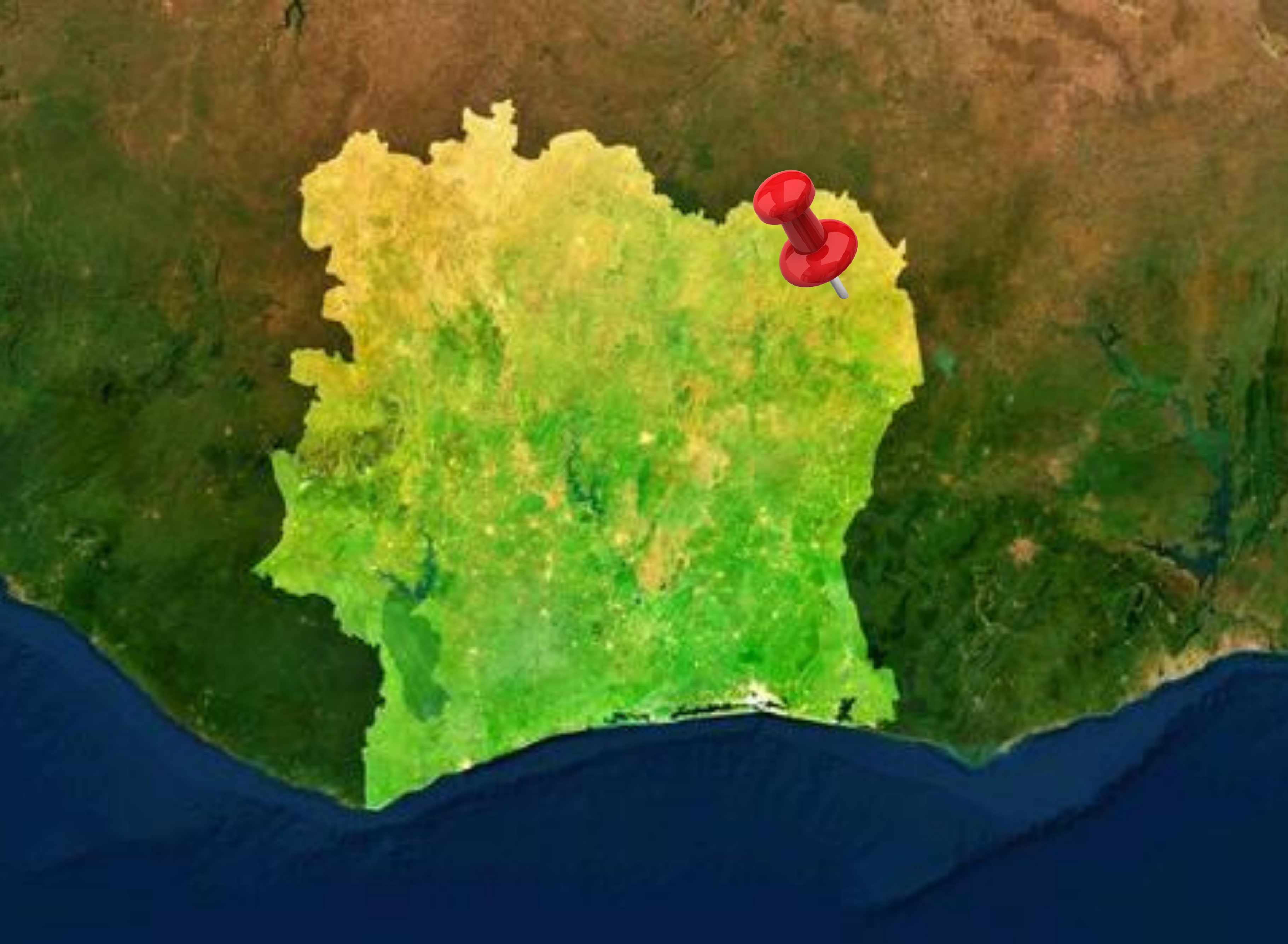
Northern regions such as Bounkani represent the next frontier for agricultural expansion. Characterized by vast underutilized land, improving infrastructure, and proximity to regional markets, these areas offer significant potential for large-scale rice production and irrigation development. Investments in such regions align directly with national priorities—enhancing food security, creating rural employment, and strengthening local value chains.
Toward Sustainable Growth
While the opportunities are vast, Côte d’Ivoire is also actively addressing challenges such as climate variability, environmental sustainability, and rural poverty. National strategies emphasize:
- Climate-smart agriculture
- Sustainable land use
- Inclusive rural development
Positioning for the Future
Côte d’Ivoire is at a pivotal moment—transitioning from a commodity-based agricultural exporter to a modern, diversified agro-industrial economy. With strong government support, growing domestic demand, and significant untapped land resources, the country offers a compelling platform for transformative agricultural investments—particularly in rice. Large-scale initiatives, such as the 25,000-hectare rice development project in Bounkani, are not just investments in agriculture—they are investments in food security, economic growth, and the future of West Africa.